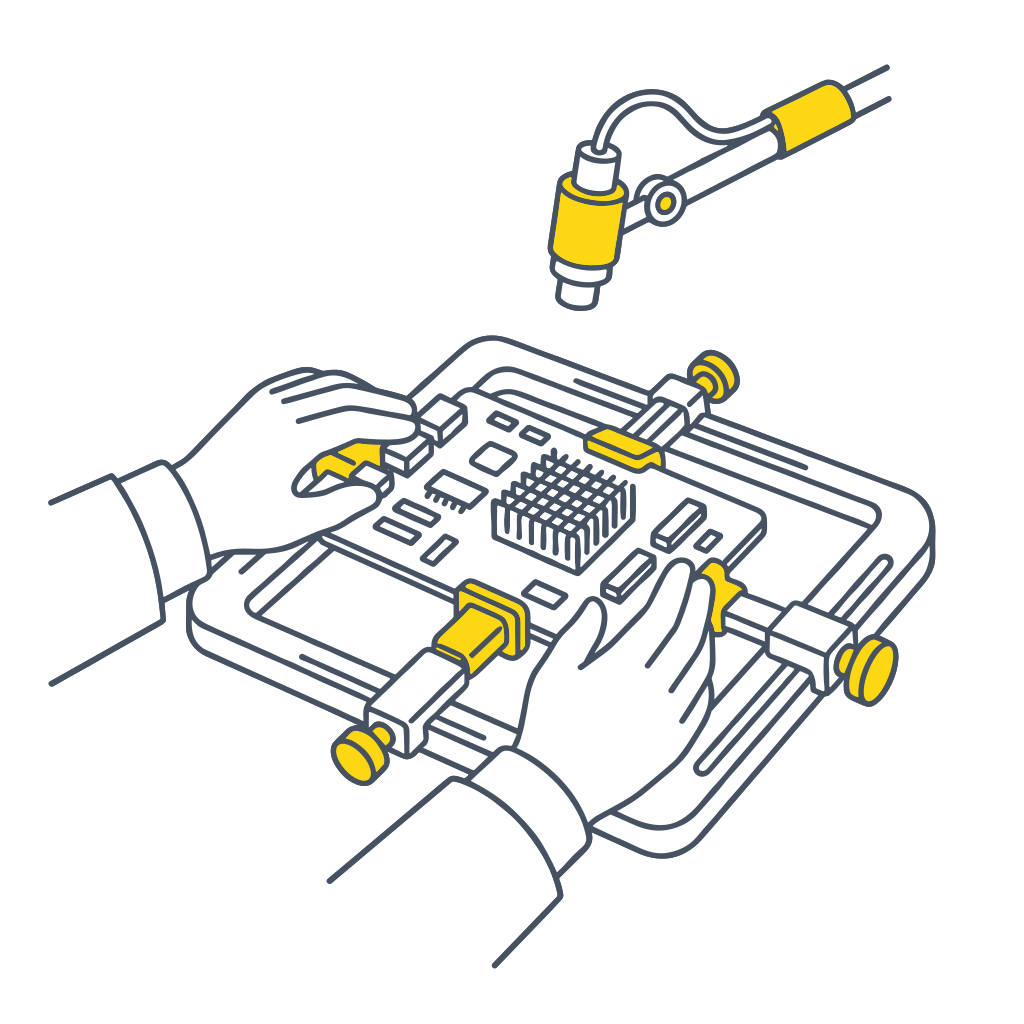
Design to Manufacturing
A working prototype is not the finish line.
For many teams, it’s where the hardest problems begin—especially when reality collides with manufacturing constraints that weren’t considered early enough.
Most MedTech startups underestimate how difficult it is to obtain high‑quality, low‑volume builds for early stage trials.
At the opposite end of the process, some teams reach later stages with a device that technically works, but cannot be manufactured cost‑effectively at scale.
Nocturnal de‑risks both ends of this spectrum—providing in-house manufacturing for small quantities and enabling smooth transition to volume manufacturing.

How does Nocturnal support small‑quantity manufacturing?
Many Class II and Class III programs require tens to hundreds of units for verification & validation, pre‑clinical studies, or first‑in‑human use—quantities most manufacturers are not set up to support efficiently.
Nocturnal helps early-stage companies close this gap, providing in‑house assembly of small quantities to enable early testing, V&V, and preclinical and clinical studies.
We physically build what we design, learn what it takes to put it together, and improve the design through real-world feedback.
This allows teams to validate designs, uncover manufacturing risks, and progress clinically prior to transitioning to volume manufacturing.
transition to volume manufacturing
We treat manufacturing transfer as an engineering milestone—not an administrative task.

Identifying and evaluating contract manufacturers early in the development process

Applying DFM and DFA principles as an integrated part of our design

Engaging suppliers to review designs against real manufacturing processes

Creating manufacturing process instructions, test procedures, and acceptance criteria

Supporting pilot builds, including on‑site presence when needed

Managing technical transfer and manufacturing documentation
This approach reduces friction, shortens transfer timelines, and increases confidence on both sides of the handoff—preserving capital, maintaining momentum, and positioning the program for regulatory review and commercial scale.